Best Bathroom remodel Designs for Colonial Homes in New England
Colonial homes define the neighborhoods of Greater Boston. From the center-entrance Colonials lining the streets of Wellesley to the stately Georgians in Lexington and the classic saltboxes dotting Concord, these homes carry more than a century of New England character. But their bathrooms? That is often a different story.
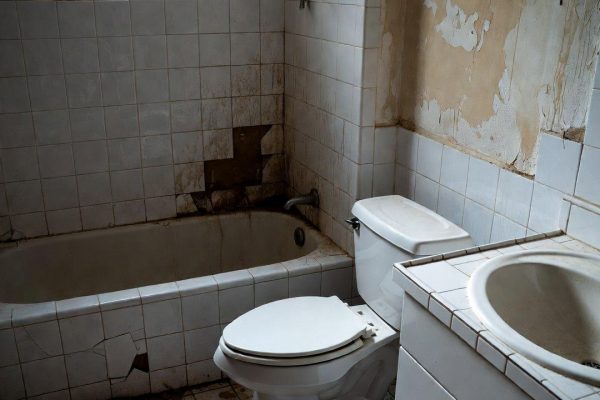
Most colonial-era homes were not built with indoor bathrooms at all. The bathrooms that exist today were typically carved out of closets, hallways, or small bedrooms during later renovations, often in the early to mid-twentieth century. The result is a collection of challenges that are familiar to anyone who has lived in one of these homes: cramped layouts, outdated plumbing, limited electrical capacity, and awkward proportions.
At Cove Bath, we remodel bathrooms across more than 50 Greater Boston communities, and colonial homes are some of our most common projects. Here is how to approach a bathroom remodel that honors your home’s character while delivering the comfort and function you deserve.
Common Bathroom Challenges in Colonial Homes
Before diving into design ideas, it helps to understand why colonial bathrooms present unique challenges.
Small, Awkward Rooms
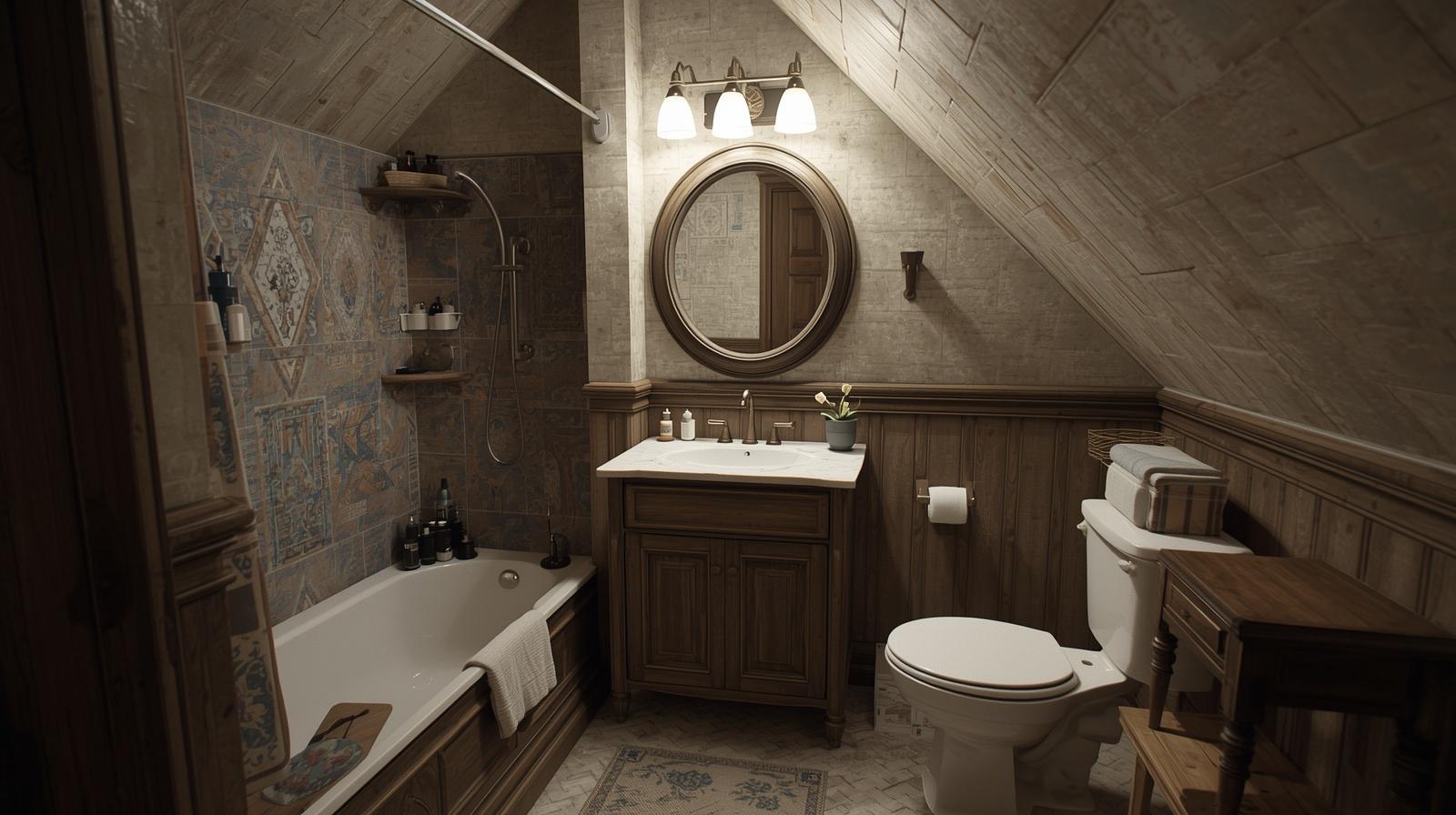
Because bathrooms were afterthoughts in most colonials, they tend to occupy spaces that were never designed for the purpose. A 5-by-7-foot bathroom squeezed into a former closet is not unusual. Sloped ceilings on the second floor can limit where you place a shower or even where you can stand comfortably.
Old Plumbing Systems
Colonials built before 1950 often have galvanized steel or even lead supply lines and cast-iron drain pipes. These materials corrode over time, reducing water pressure and flow. A remodel is the ideal time to upgrade these systems, and in many cases it is necessary to meet current Massachusetts plumbing code.
Limited Electrical Capacity
Older colonials may have 100-amp electrical service or less, with few circuits dedicated to the bathroom. Modern code requires GFCI-protected outlets, proper ventilation fans, and dedicated circuits for high-draw fixtures. A bathroom lighting upgrade often means upgrading the wiring behind the walls as well.
Single Bathroom for the Entire Home
Many colonials were built with just one full bathroom for the household. If your remodel takes that bathroom offline, planning becomes critical, which is why our streamlined timeline of one to two weeks matters so much for colonial homeowners.
Three Design Approaches That Work
There is no single right answer for a colonial bathroom. The best approach depends on your taste, your home’s specific character, and how you want the bathroom to feel within the larger context of the house. Here are three directions we see work well.
1. Traditional Updated
This approach keeps the spirit of the colonial aesthetic while swapping dated fixtures for quality modern equivalents. Think of it as honoring the home’s DNA with better materials and craftsmanship.
Key elements:
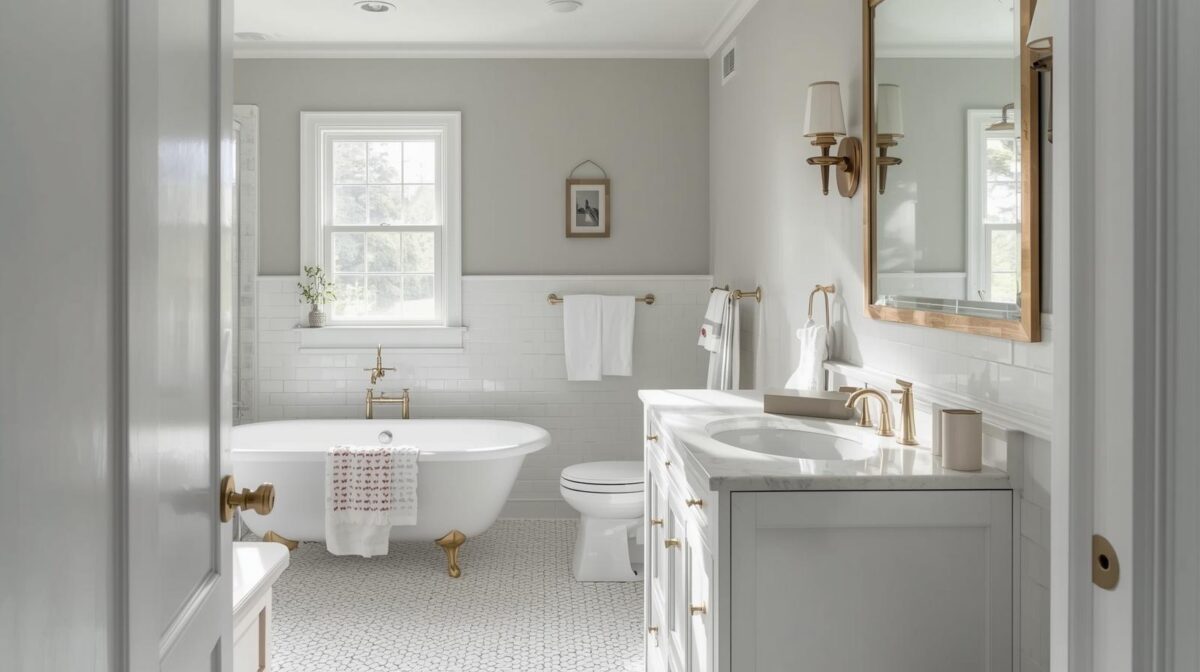
- Shaker-style vanity in white or navy. Clean lines that echo colonial cabinetry without looking like a museum piece. A well-chosen vanity installation anchors the entire room.
- Subway tile in classic white or soft cream. The 3-by-6-inch format has been around since the early 1900s and feels right at home in a colonial. Consider a tile installation with a herringbone or stacked pattern for subtle visual interest.
- Brushed nickel or polished chrome hardware. These finishes complement the traditional palette without competing with it.
- Wainscoting or beadboard on the lower walls. This is a hallmark of colonial interiors and translates beautifully to bathrooms when executed in moisture-resistant materials.
- Marble or marble-look countertops. Carrara marble or a quality porcelain alternative provides an elegant surface that feels appropriately timeless.
This approach works especially well in towns like Wellesley and Concord, where the surrounding homes set a traditional tone and buyers expect interiors to match.
2. Transitional
Transitional design blends traditional structure with contemporary simplicity. It is the most popular direction we see among homeowners who want their bathroom to feel current without clashing with the rest of the house.
Key elements:
- Floating or furniture-style vanity. A vanity with legs creates visual space in a small room and reads as more contemporary than a traditional cabinet.
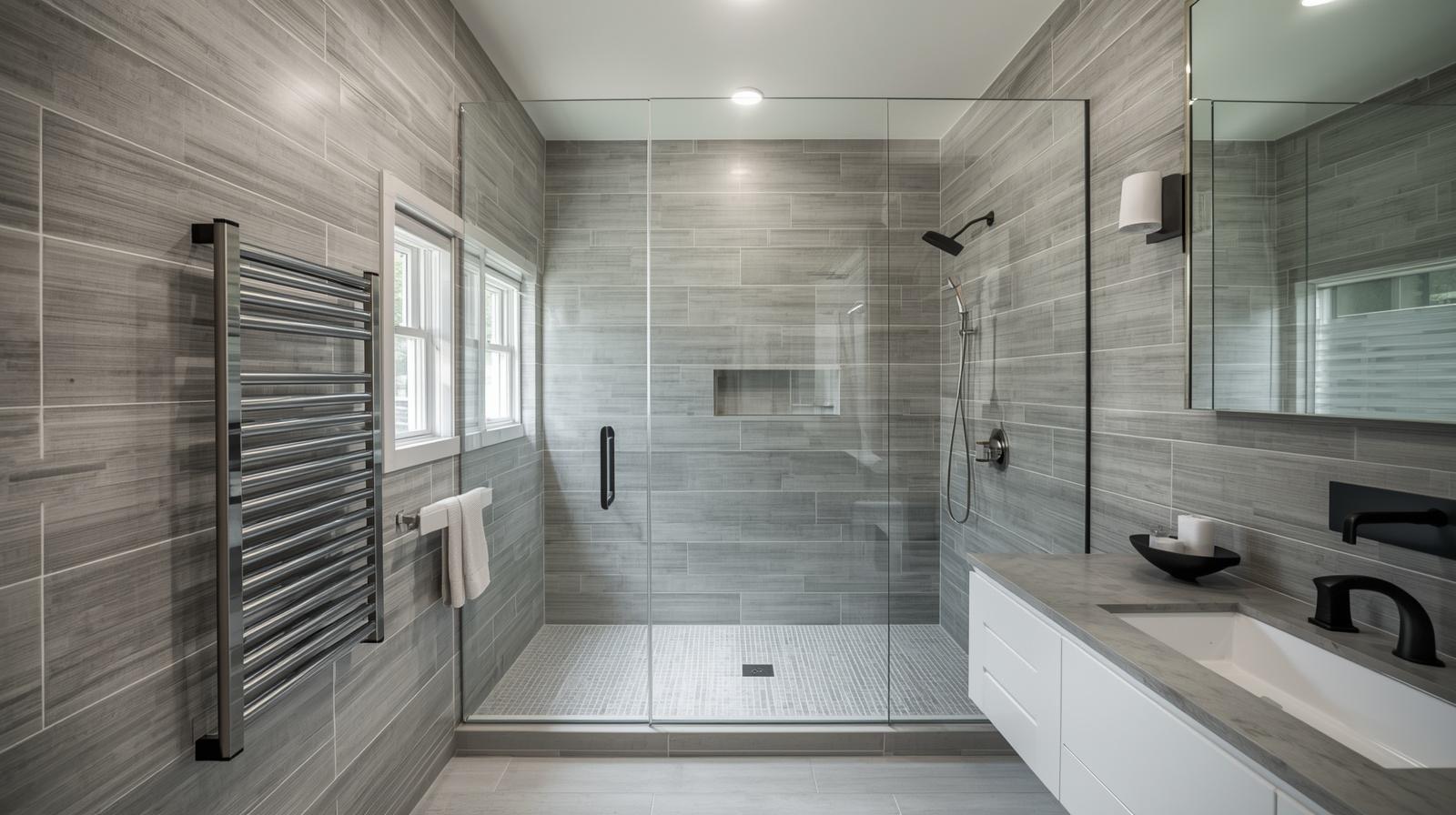
- Large-format tile in neutral tones. Fewer grout lines make a small bathroom feel larger. A 12-by-24-inch porcelain tile in warm gray or greige works well on both floors and shower walls.
- Frameless glass shower enclosure. Replacing a shower curtain or frosted glass door with clear frameless glass opens up the visual space dramatically. This pairs well with a shower installation or walk-in shower conversion.
- Mixed metals with intention. A matte black shower fixture paired with brushed brass cabinet pulls can bridge the gap between old and new.
- Simple, clean lighting. Sconces flanking the mirror rather than a single overhead bar light create a warm, layered effect.
This approach is popular in Newton, Brookline, and Arlington, where homeowners tend to appreciate a balance between character and contemporary living.
3. Modern Contrast
For homeowners who want their bathroom to feel like a deliberate departure from the rest of the house, modern contrast can be striking. The idea is that the bathroom becomes a private retreat that does not need to match the crown molding in the hallway.
Key elements:
- Wall-mounted vanity with integrated sink. Minimalist and space-efficient.
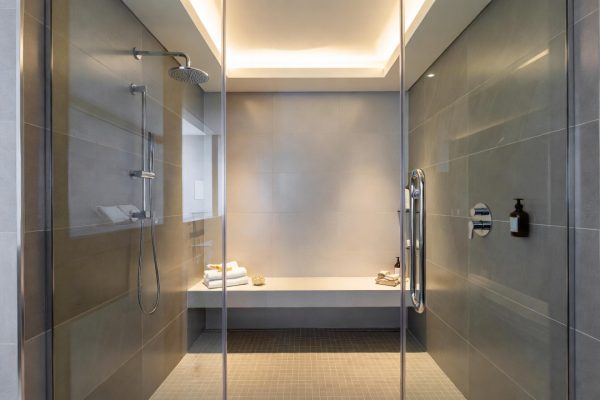
- Large porcelain slabs or continuous tile with minimal grout lines. This creates a sleek, spa-like surface.
- Curbless shower with linear drain. The ultimate in clean, contemporary design and a practical choice for accessibility as well.
- Matte black or brushed gold fixtures. Bold hardware choices that create a deliberate contrast with the home’s traditional architecture.
- Backlit mirrors and recessed lighting. Clean, contemporary lighting that eliminates visual clutter.
This approach requires confidence, but when done well, the contrast between a modern bathroom and a colonial hallway can feel intentional and sophisticated. We see this most often in Cambridge and Somerville, where eclectic interior styles are part of the local character.
Fixture and Material Recommendations for Colonials
Regardless of which design direction you choose, certain practical considerations apply to almost every colonial bathroom remodel.
Tile
For floors, porcelain tile is the best choice for colonial bathrooms. It handles moisture far better than the hardwood floors found elsewhere in the house, and modern porcelain can convincingly replicate the look of marble, wood, or natural stone. For shower walls, large-format tile installation minimizes grout maintenance, while classic subway tile remains a reliable choice for a traditional look.
Vanities
In a small colonial bathroom, every inch matters. A 30-inch or 36-inch single vanity often makes more sense than trying to squeeze in a double. Look for designs with drawers rather than doors, as they offer more usable storage in tight spaces. Wall-mounted models free up floor space and make the room feel larger.
Showers and Tubs
If your colonial has only one full bathroom, a shower-tub combination may be the practical choice. But if you have a second bathroom or a half bath elsewhere in the house, converting the tub to a walk-in shower can dramatically improve the feel of a small space. A glass-enclosed walk-in shower makes a 5-by-8-foot bathroom feel twice its size.
Toilets
A comfort-height, elongated-bowl toilet with a concealed trapway is both easier to clean and more comfortable than the round-bowl models commonly found in older colonials. Wall-mounted toilets save space but require a thicker wall to house the carrier, which may not be practical in every colonial layout.
Making It Work in Your Home
The key to a successful colonial bathroom remodel is working with the home rather than against it. That means respecting the room’s proportions, choosing materials that complement the home’s overall character, and investing in the infrastructure, such as updated plumbing and electrical, that will make the finished product last.
Every colonial is different, and the best design for your bathroom depends on your home’s specific layout, your family’s needs, and your personal style. Take our quick online quiz to get an instant estimate for your project, or book a virtual consultation to talk through your ideas with our team. We have helped homeowners across Wellesley, Newton, Lexington, Concord, and dozens of other Greater Boston communities transform their colonial bathrooms into spaces they love. Check out our recent work to see what is possible.