Aging in Place Bathroom Modifications in Greater Boston
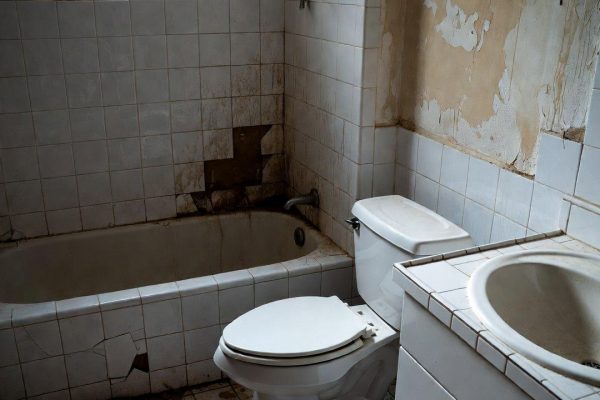
The bathroom is the most dangerous room in the house. According to the CDC, more than 200,000 Americans visit the emergency room each year due to bathroom injuries, with falls being the leading cause, especially among adults over 65. Slippery surfaces, narrow doorways, high tub walls, and poor lighting create a daily obstacle course that becomes riskier with every passing year.
The good news is that a well-planned bathroom remodel can eliminate nearly all of these hazards while creating a space that looks and feels anything but clinical. Across Greater Boston, an increasing number of homeowners are choosing to incorporate aging-in-place features into their bathroom renovations, whether they need them right now or are planning ahead for the decades to come.
Key Modifications for an Aging-in-Place Bathroom
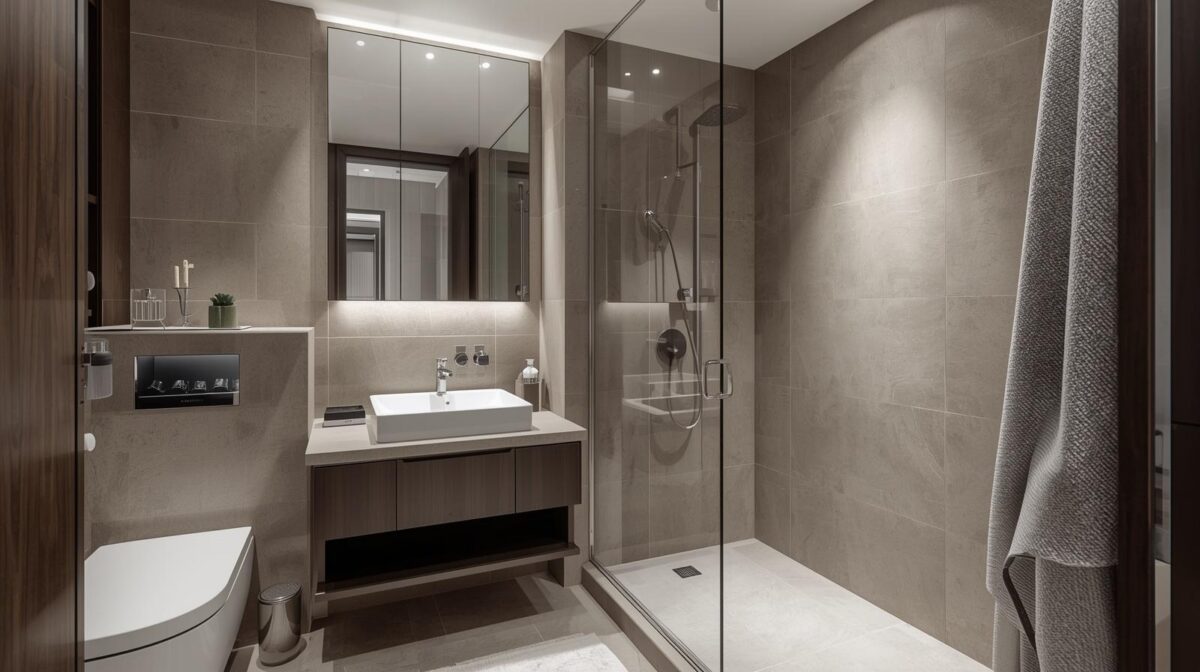
Accessible bathroom design has evolved dramatically in recent years. Today’s modifications combine safety engineering with contemporary aesthetics, so you do not have to choose between a bathroom that keeps you safe and one that looks beautiful.
Curbless Showers
The single most impactful modification you can make is replacing a traditional tub or stepped shower with a curbless walk-in shower. A curbless shower has no threshold to step over, eliminating the number-one fall risk in the bathroom. The shower floor transitions seamlessly to the bathroom floor, with a gentle slope (no more than 1:48) directing water to the drain.
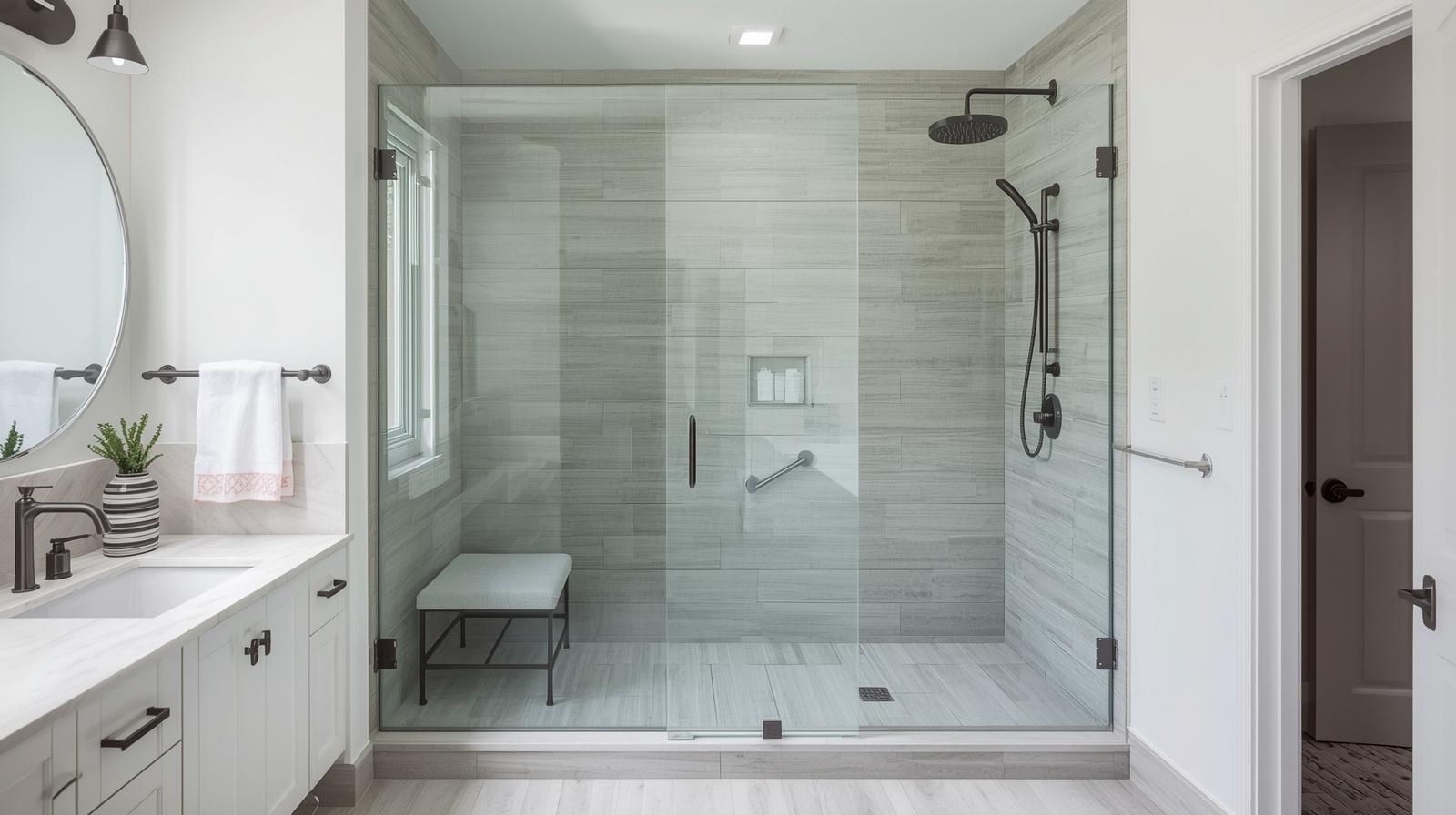
Curbless showers are not just safer. They are a design feature in their own right. A frameless glass enclosure on a curbless shower makes even a modest bathroom feel open and spacious. Paired with quality tile work and a linear drain, it is one of the most visually striking elements in modern bathroom design.
Grab Bars
Grab bars are the most cost-effective safety feature available, and modern designs bear no resemblance to the institutional stainless-steel bars of decades past. Today’s grab bars come in every finish, from matte black to brushed brass, and in styles that double as towel bars, shelf supports, or shower accessories.
For maximum safety, grab bars should be installed in the shower or tub area (both vertical for entry and horizontal for stability), next to the toilet on at least one side, and near the vanity if space allows. ADA guidelines specify installation at 33 to 36 inches above the floor, and each bar must support at least 250 pounds of force. Proper installation means anchoring into wall studs or using reinforced blocking behind the drywall, which is why it is best to install them during a remodel when walls are open.
Even if you are not ready for grab bars today, having your contractor install wood blocking behind the drywall during your remodel means bars can be added later in minutes, without tearing open walls.
Comfort-Height Toilets
Standard toilets sit approximately 15 inches from the floor. Comfort-height models sit at 17 to 19 inches, which is the same height as a typical chair. This makes sitting down and standing up significantly easier for anyone with limited mobility, knee problems, or hip issues. It is a simple swap during a bathroom remodel that makes a meaningful difference in daily comfort.
Wider Doorways
Standard bathroom doors are 24 to 28 inches wide, which is too narrow for a walker or wheelchair. Widening the doorway to 32 or 36 inches provides clearance for mobility aids and is a requirement under ADA guidelines for accessible design. If widening the rough opening is not feasible due to structural constraints, a barn-door or pocket-door conversion can reclaim the space lost to a swinging door.
Non-Slip Flooring
Not all tile is created equal when it comes to slip resistance. For an aging-in-place bathroom, specify tile with a high coefficient of friction (COF) rating, generally 0.60 or above for wet areas. Textured porcelain, matte-finish ceramic, and natural stone with a honed surface all provide reliable traction without looking or feeling industrial. Your tile installation choices can be both safe and beautiful.
Improved Lighting
Poor lighting contributes to falls. A well-lit aging-in-place bathroom includes bright, even overhead lighting, task lighting at the vanity for grooming, and a night light or motion-activated light for nighttime trips. Updated bathroom lighting eliminates shadows and makes it easier to see wet surfaces, changes in floor level, and fixture edges.
Handheld Showerheads and Bench Seating
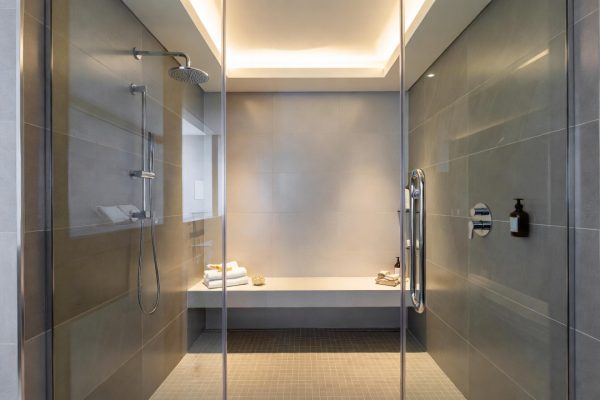
A handheld showerhead on a slide bar lets users adjust the height from standing to seated position. Combined with a built-in shower bench or a fold-down teak seat, this setup allows for a comfortable, safe shower experience without the need to stand for the entire duration. These features integrate seamlessly into a modern shower installation.
ADA Guidelines vs. Practical Home Modifications
It is worth understanding the difference between commercial ADA compliance and residential aging-in-place design. ADA standards, published by the U.S. Access Board, are mandatory requirements for public and commercial buildings. They specify exact dimensions, clearances, and fixture placements for fully wheelchair-accessible bathrooms.
In a residential setting, you are not legally required to meet full ADA specifications (unless you are receiving certain types of public funding). Instead, most homeowners adopt the principles of ADA design while adapting them to fit the realities of their home’s layout.
For example, a full ADA roll-in shower must be at least 30 by 60 inches. In a Greater Boston colonial with a 5-by-7-foot bathroom, that may not be feasible. But you can still install a curbless shower with grab bars and a bench seat that dramatically improves safety and accessibility, even if the exact dimensions do not match the ADA template.
The goal is not to build a commercial-grade accessible bathroom. It is to create a residential bathroom that lets you live safely and comfortably in your home for as long as possible.
Remodel Now vs. Retrofit Later
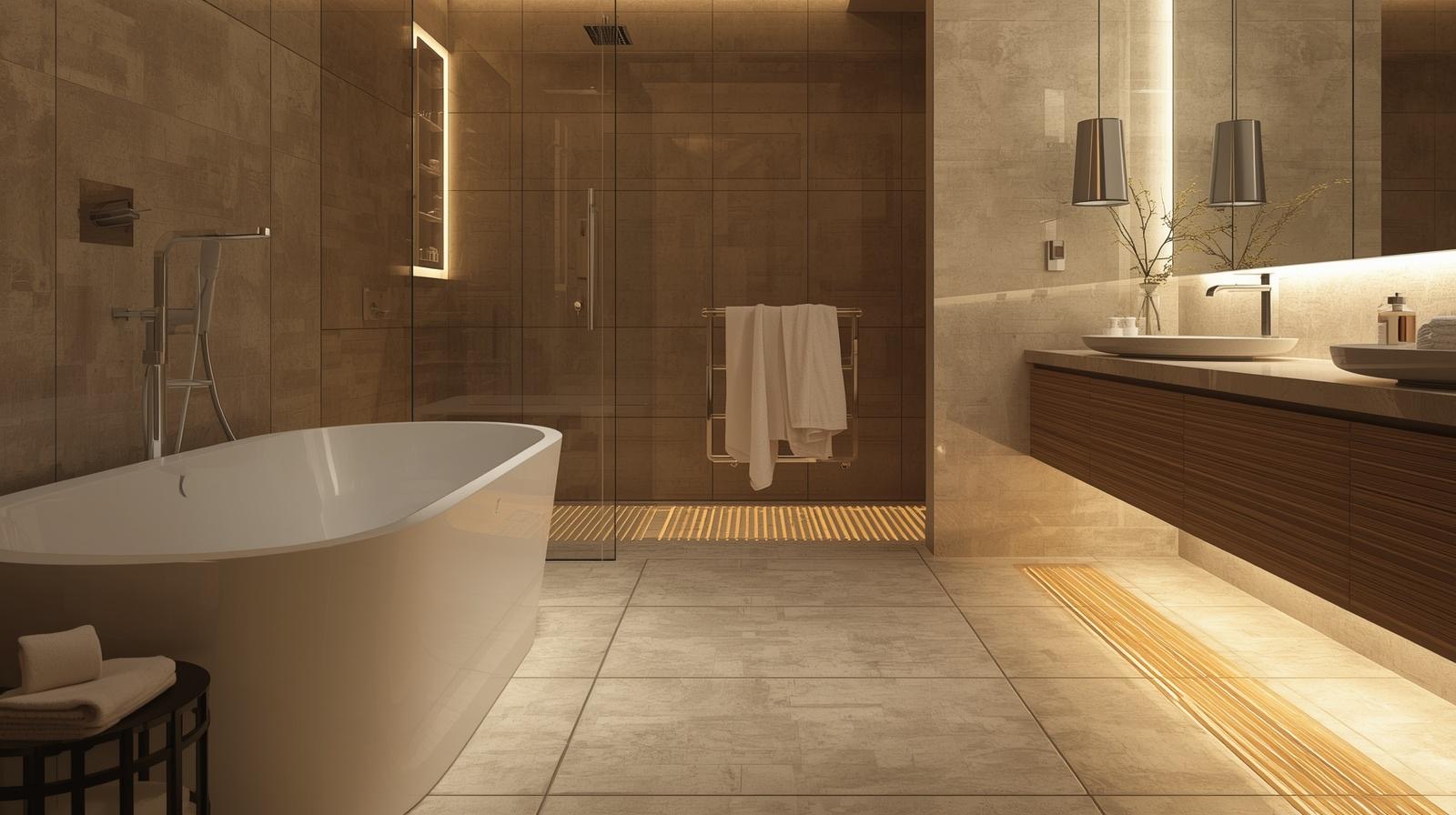
One of the most common questions we hear is whether it makes sense to add accessibility features now or wait until they are needed. The answer is almost always: do it now, or at least plan for it now.
The Cost Advantage of Doing It During a Remodel
When your bathroom is already torn down to the studs, adding aging-in-place features is remarkably affordable.
- Grab bar blocking (wood reinforcement behind drywall): virtually no added cost during a remodel, but $500 per bar location as a retrofit.
- Curbless shower instead of a standard shower pan: a modest upcharge during new construction, but a $5,000 retrofit if you need to modify the subfloor later.
- Wider doorway: $500 during a remodel when framing is exposed, versus $1,500 as a standalone project.
- Comfort-height toilet: no added cost versus a standard-height model.
- Non-slip tile: no added cost versus standard tile when selected during the design phase.
The message is clear: planning for accessibility during a remodel costs a fraction of what it costs to retrofit later. Even if you are 45 years old and in perfect health, incorporating these features now is a smart investment.
Massachusetts Programs and Resources for Aging in Place
Greater Boston homeowners have access to several programs that can help fund accessibility modifications.
Home Modification Loan Program (HMLP)
The Massachusetts Home Modification Loan Program, administered by the Community Economic Development Assistance Corporation (CEDAC), offers zero-interest loans of up to $50,000 for homeowners who are over 60 or have a disability. Funds can be used for accessible bathrooms, ramps, lifts, kitchen adaptations, and other modifications that support independent living. Applications are processed through regional agencies across the state.
Area Agencies on Aging (AAAs)
Massachusetts has 13 Area Agencies on Aging, each covering a different region. While they do not perform the work themselves, they connect seniors with local contractors, help navigate funding applications, and coordinate services. You can find your local AAA at mass.gov/aging-resources.
MassHealth Waiver Programs
For residents who qualify for MassHealth (Medicaid), certain waiver programs cover home modifications as part of a community living plan. These programs are primarily designed for individuals transitioning from institutional care back to home living, but they can include significant bathroom accessibility improvements.
Federal Tax Deductions
Some aging-in-place modifications may qualify as medical expense deductions on your federal tax return if they are prescribed by a physician. Consult with your tax advisor about whether grab bars, curbless showers, or other modifications qualify in your situation.
Making Accessible Design Look Stylish
The biggest misconception about aging-in-place bathrooms is that they look institutional. A decade ago, that may have been partially true. Today, it could not be further from the truth.
The best accessible bathrooms are ones where you do not notice the accessibility features at first glance. A curbless shower reads as a luxury spa feature. Grab bars in a matching matte-black finish look like intentional design hardware. A comfort-height toilet is indistinguishable from any other modern toilet. Non-slip porcelain tile in a herringbone pattern looks like a designer choice, because it is.
The key is selecting finishes, fixtures, and materials that are beautiful on their own merits and happen to also be safe and accessible. This is the approach we take with every project at Cove Bath. Safety and style are not competing priorities. They are the same priority.
Why Greater Boston Homeowners Are Leading This Trend
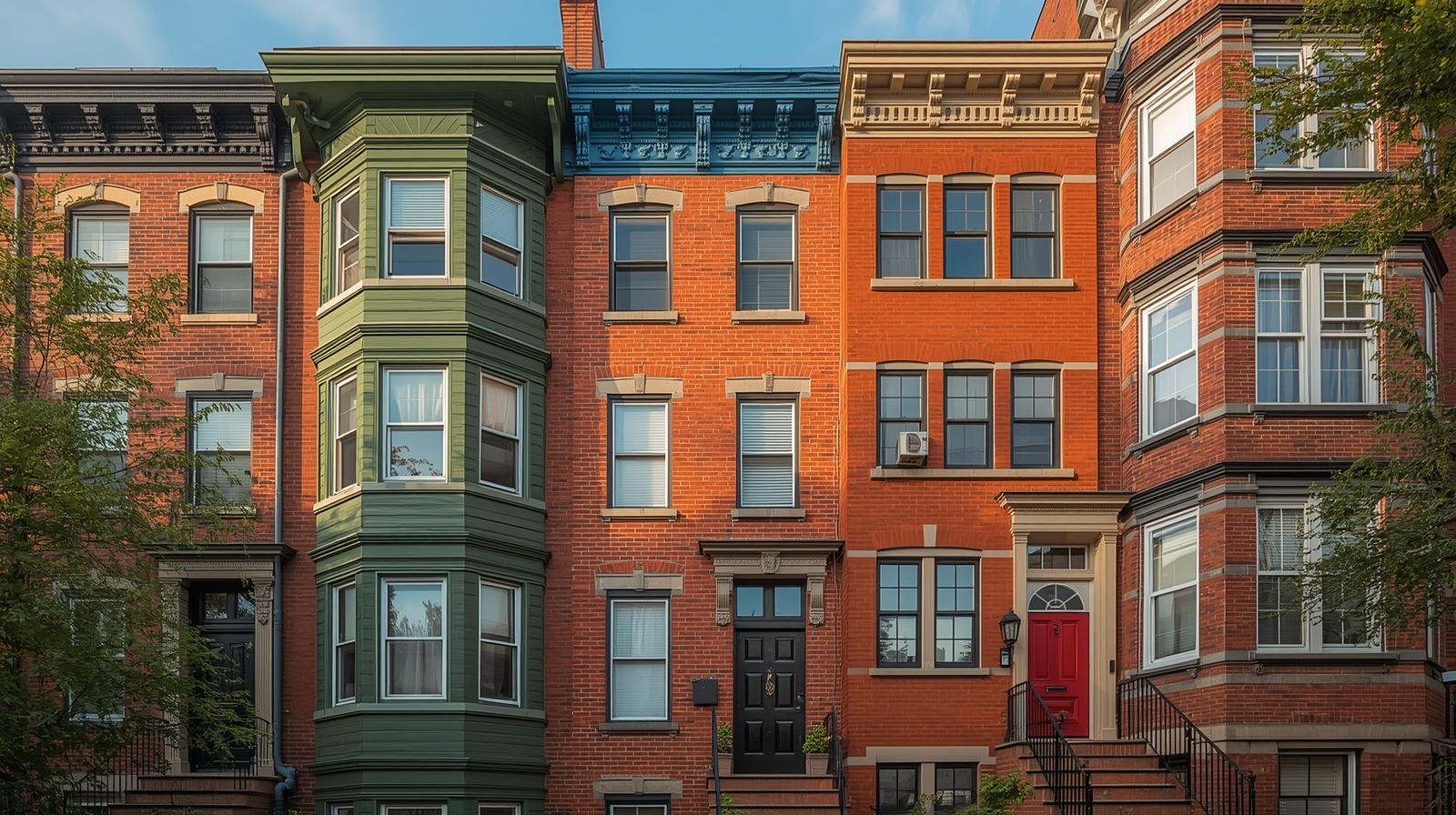
Massachusetts has one of the fastest-aging populations in the country, and Greater Boston homeowners are responding proactively. Many of the homeowners we work with are in their 50s and 60s, planning renovations that will serve them for the next 20 to 30 years. They are not reacting to a crisis. They are planning ahead, and they want their homes to age as gracefully as they do.
The region’s housing stock makes this planning especially important. Many Greater Boston homes are two or three stories with bedrooms and bathrooms on upper floors. If mobility becomes an issue later in life, having a safe, accessible bathroom on the main level or on the bedroom floor can mean the difference between staying in your home and being forced to leave it.
Plan Your Aging-in-Place Bathroom
Whether you need accessibility features now or want to build in the infrastructure for the future, a well-planned remodel is the most effective way to prepare your home for the long term. Our fixed-price packages make it easy to understand the investment, and our streamlined process means your bathroom is transformed in one to two weeks, not months.
Take our online quiz to get an instant estimate for your project, or schedule a virtual consultation to talk through your accessibility goals with our team. Every bathroom we build is designed to look beautiful and work for you today and for years to come.